
Loss Of Perspective
Nothing Normal About The New Normal

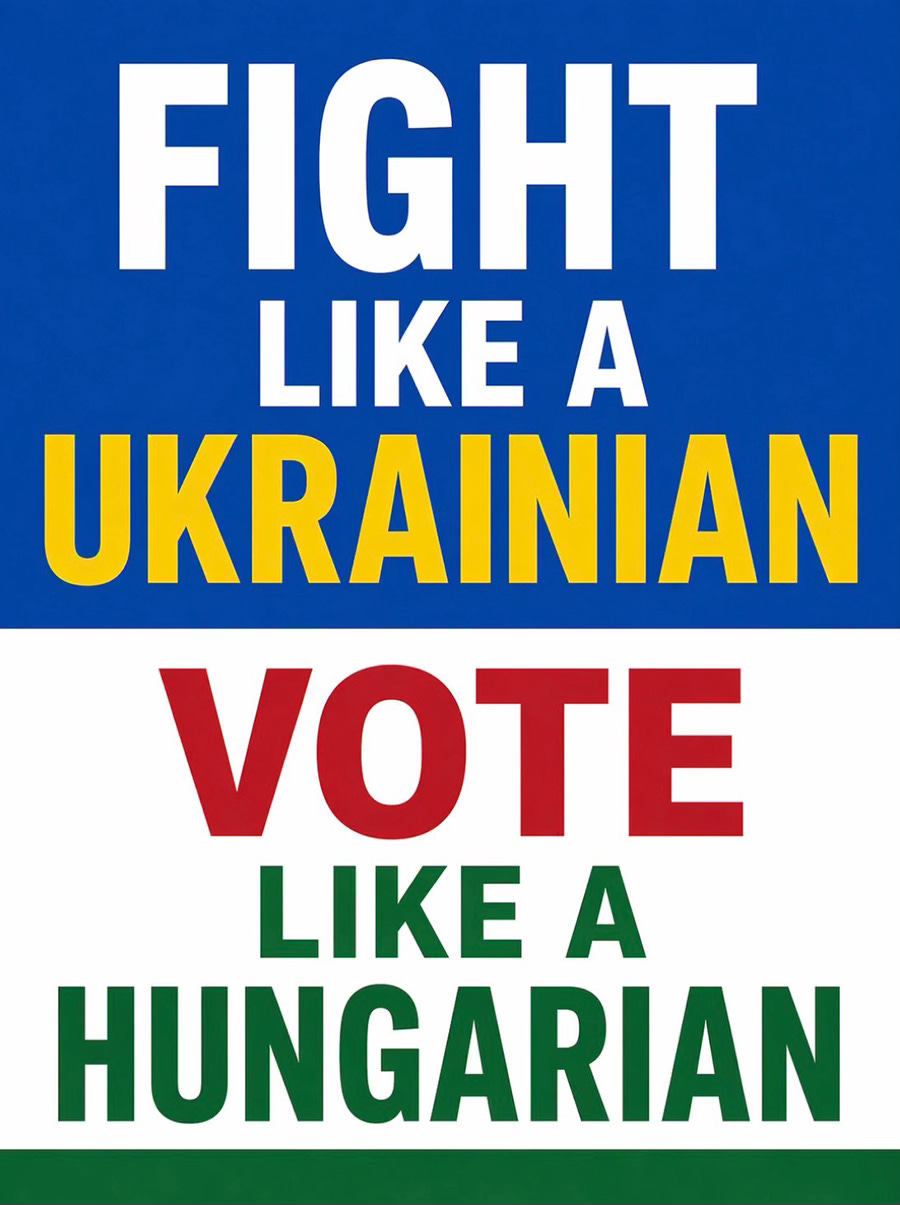
It is important to view the US Supreme Court decision in Louisiana v Callais as what it really is, and not simply as a way of disenfranchising black voters. There is no denying that diluting the black vote is one of the consequences of the ruling, and the one most evident right now as southern states rush to redraw voting districts. We must not lose sight of the fact that the decision really was the logical consequence of an earlier Supreme Court decision in Rucho v. Common Cause that reversed the purpose of redistricting.
The original purpose of adjusting electoral district boundaries was to reflect population changes identified in the 10-year national census to ensure equal and fair political representation. It was supposed to be fair and neutral, allocating citizens’ votes to create equal or near-equal numbers of voters in each district. Beyond that, redistricting sought to preserve community representation, since different pockets of voters may have different priorities.
Political parties began to recognize that, by adjusting the boundaries to create favorable voting districts, they could influence the outcomes of elections.
In New Hampshire, that discussion played out in 2011 when voters objected to a redistricting plan that carved out Republican majorities. As I reported at the time, the House Special Committee on Redistricting held a hearing at which Harold Frost of Etna recalled hearing, in his high school American History class, about Massachusetts politicians creating “sort of a slimy beast that looked like a salamander, and they called it a gerrymander.”
“Now, that was not written up as an example of good governance,” he told the [committee]. “It was the sort of thing that people in New Hampshire generally looked down upon because they expect their local government to be honest and competent. And rightly so.
“And imagine my surprise, then, to wake up one morning recently and see in my morning newspaper that the gerrymander beast had crawled up the Merrimack River Valley and was sitting in the middle of New Hampshire,” he continued. “So let me explain: It is your job as a committee to beat back the gerrymander beast.”
Governor Chris Sununu had vetoed a bill that would have created an independent redistricting commission, saying the process in place is fair, representative, and accountable to the voters, and that gerrymandering is rare. He promised that he would veto any redistricting plan that did not meet “the smell test”.
Yet, in three hours of public testimony on November 10, not a single one of the 42 speakers endorsed the redistricting proposals under consideration and, in particular, the revised map of congressional districts. They described that map as the most extreme example of gerrymandering yet.
Brandon Latham of Merrimack told the committee, “In New Hampshire, we’re proud of our politics. We’re proud of this, the most representative legislative body in the world, right here in this chamber, and of our classic New England-style town meetings, dozens of which voted this spring for independent, fair maps without partisan considerations.”
That was 2011; in 2019, and the US Supreme Court ruled in Rucho v. Common Cause that that claims of partisan gerrymandering present “nonjusticiable political questions” where federal courts have no authority to intervene, even if the gerrymandering is extreme or undermines democratic principles.
Which brings us to 2026, where in Callais the Supreme Court used the Rucho decision as justification for ruling that, because political gerrymandering — discriminatory as it is — is now legal, plaintiffs relying upon the Voting Rights Act to challenge a redistricting map need to prove the map is intentionally racially discriminating. As Harvard Kennedy School notes, “the Court has basically neutralized the law. This goes directly against the intent of the original Voting Rights Act, which was explicitly designed to protect the ability of minority groups to have political power and secure fair political representation.”
So, yes, the ruling makes racial discrimination legal for the most part, and people are right in protesting the decision.
That is not all that the decision does, however. It has confirmed a “new normal” — the purpose of redistricting is no longer serving to ensure equal and fair political representation. It now is to allow the majority party to create a map that keeps it in power, diluting the voters’ ability to choose the leadership they support. That is something that harms all voters, not just blacks, and it is something we all need to keep in mind. As Pastor Martin Niemöller wrote concerning support for German Nazis:
First they came for the Communists
And I did not speak out
Because I was not a Communist
Then they came for the Socialists
And I did not speak out
Because I was not a Socialist
Then they came for the trade unionists
And I did not speak out
Because I was not a trade unionist
Then they came for the Jews
And I did not speak out
Because I was not a Jew
Then they came for me
And there was no one left
To speak out for me
We all need to speak out against both the 2019 and 2026 Supreme Court decisions, and all other attempts to subvert the meaning of democratic principles, because they will affect us all if those initiatives are allowed to become normal. Ukraine has fought valiantly to preserve its independence in the face of Russia’s “special military operation” and we need to preserve our independence from the undermining of the US Constitution by a president who ignores it.
Do not lose sight of the fact that partisan gerrymandering can accomplish only so much. It assumes that voters who cast ballots in a previous election will vote the same way next time. Voters cast ballots for the candidate they believe serves their interests. When a leader makes self-serving decisions — remember President Donald Trump’s statement on his way to the China summit about his “excursion” in Iran: “I don’t think about Americans’ financial situation. I don’t think about anybody. I think about one thing. We cannot let Iran have a nuclear weapon. That’s all.” — people are going to lose faith. Soaring gas prices, rising costs due to tariffs, and the killing of civilians have led many people to regret their previous support for the president. If there is a large turnout in the next election, as Hungarian voters demonstrated in defeating Viktor Orbán, the mechanisms in place to preserve power can be overcome.